
We are very grateful to Paul Chapman for providing us with the results of a survey he recently undertook:
Whilst staying with my brother and sister-in-law on the nights of 29 June to 1 July 2026, I ran moth traps each night at the rear of the property alongside the River Beane.
There are around 2,500 moth species in the United Kingdom and there are likely to be around 1,000 species in and around Walkern. They play crucial roles in the environment being responsible for one third of pollination as well as being vital food sources for birds, bats and other wildlife and supporting even more insect species like parasitic wasps.
June and July are the peak months for adult moth species on the wing and light traps are good ways to survey some of the species present. Most moth species can be identified as adults alive particularly using a cheap hand lens or with phone or macro lens photography. They can be retained temporarily in small purpose made pots, cooled down in a fridge to allow close examination and released unharmed. A small number require more invasive identification techniques such as dissection. Responsible approaches have no effect on populations where that is necessary for ecological study. All these moths were released and seven species are probable identifications as specific identification would have required those more invasive methods. These are marked in the asterisk column in the spreadsheet.
Good recent identification guides and free Apps such as Obsidentify (recommended) have significantly increased interest and eased entry into the study of moths.
153 moth species were identified in total including those probable identifications. Seventy one species were photographed. Numbers vary by night according to effort and conditions. On the first night, I spent longer with the traps and 110 species were recorded. Less time the next night produced 96 species and even less time and more importantly windy conditions reduced that to 87 species on the final night.
Diversity depends mainly upon foodplant availability for the caterpillars with common plants such as bramble, hawthorn, nettles and various grasses supporting many different species. Various species are on a wide variety of decidous trees and bushes and low growing plants. Also habitat is important with, for instance, some species being wetland specialists.
Movements of various species both colonisations and extinctions indicate our changing circumstances and provide an eye into what is happening around us. One of the species I caught, Clancy’s Rustic, I had not seen since 6th July 2003 at Dungeness in Kent when only singles had ever been recorded in the United Kingdom after the first in 2002. But this species has now colonised the South East and slightly beyond.
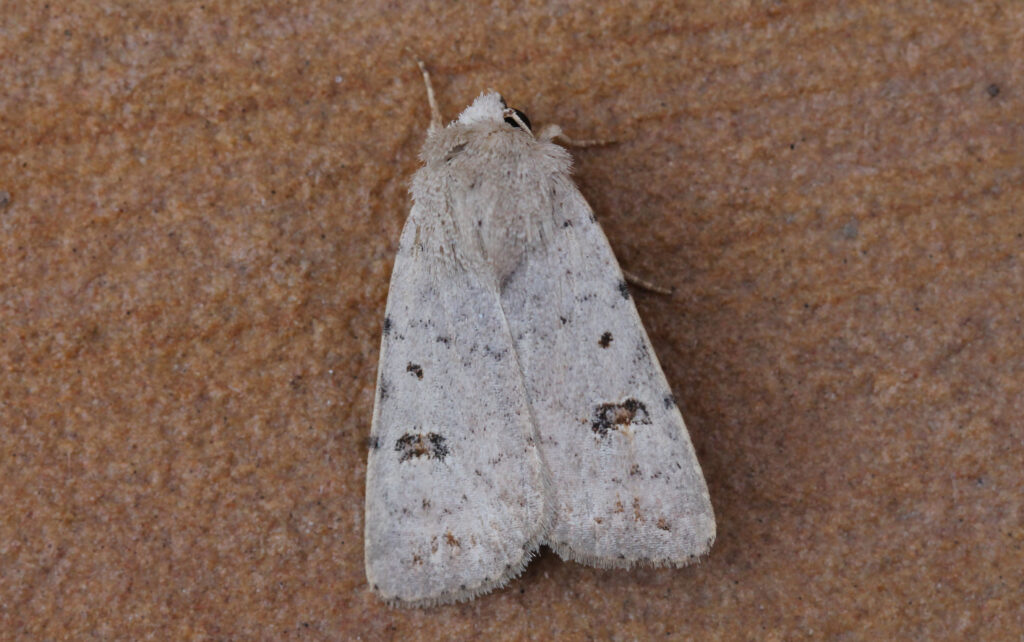
Clancy’s Rustic
The number of species identified shows a relatively healthy natural environment along the stream and a diversity of natural vegetation. Of course, the main drivers for population reductions would be clearance of natural vegetation for development or non-sympathetic management as well as chemical pollution – pesticides etc. Sympathetic management, increasing native vegetation, increasing diversity of foodplants and reduced chemicals and pollution are likely to have the opposite effect.
I have added the general main foodplants alongside the species recorded in the spreadsheet and there are various mentions for docks, plantains, bindweeds, thistles, grasses, lichens, mosses, hawthorn, nettles, bramble, blackthorn, hawthorn, sallows, willows, apples, ivy, etc.
It surprises people when they run moth traps, the sheer number of large and spectacular species that live around us but normally remain hidden from our view. I caught around 30 hawkmoths over the three nights of four species – Lime, Poplar, Elephant and Privet – and the huge impressive Oak Eggar. Spectacular species with wing spans up to 12 centimetres.
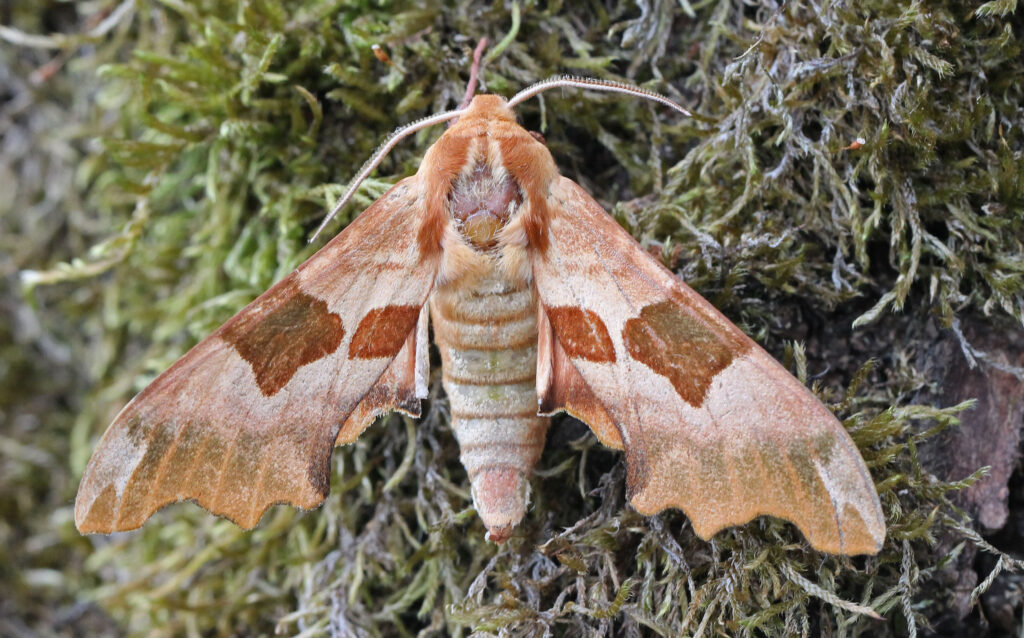
Lime Hawkmoth
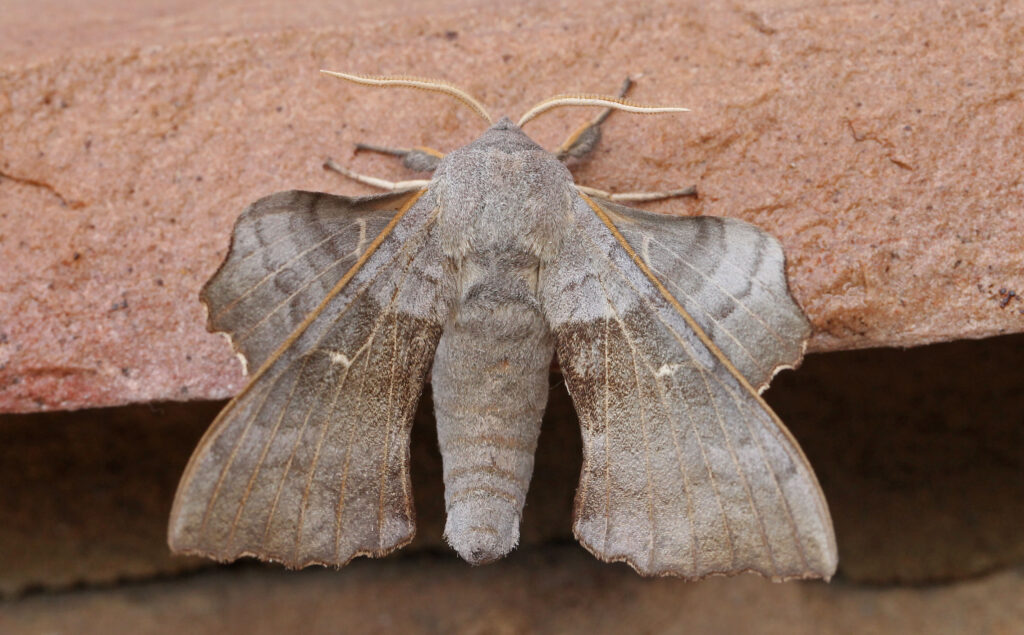
Poplar Hawkmoth
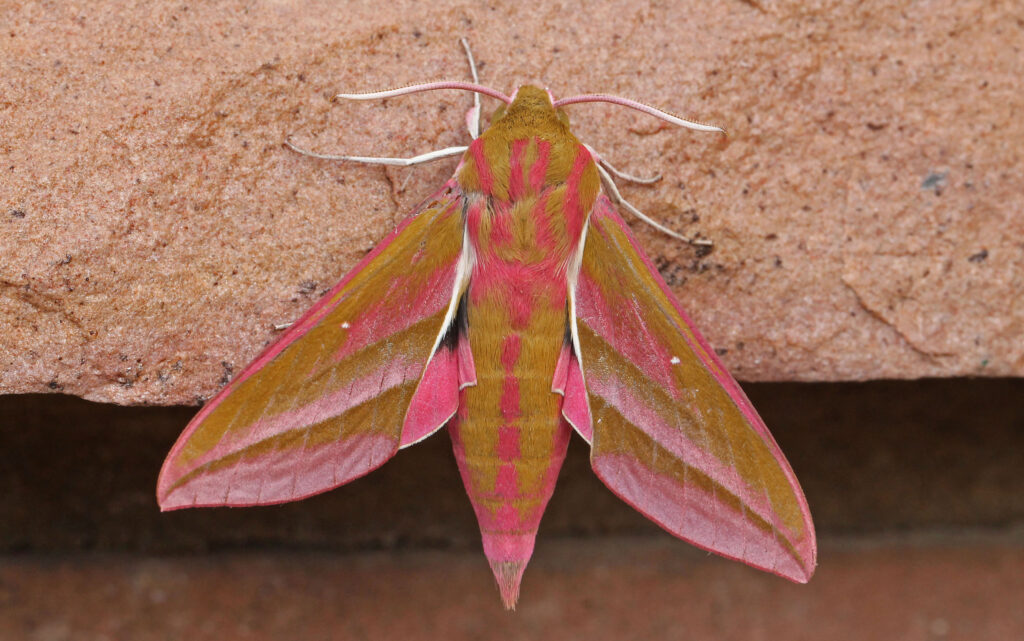
Elephant Hawkmoth
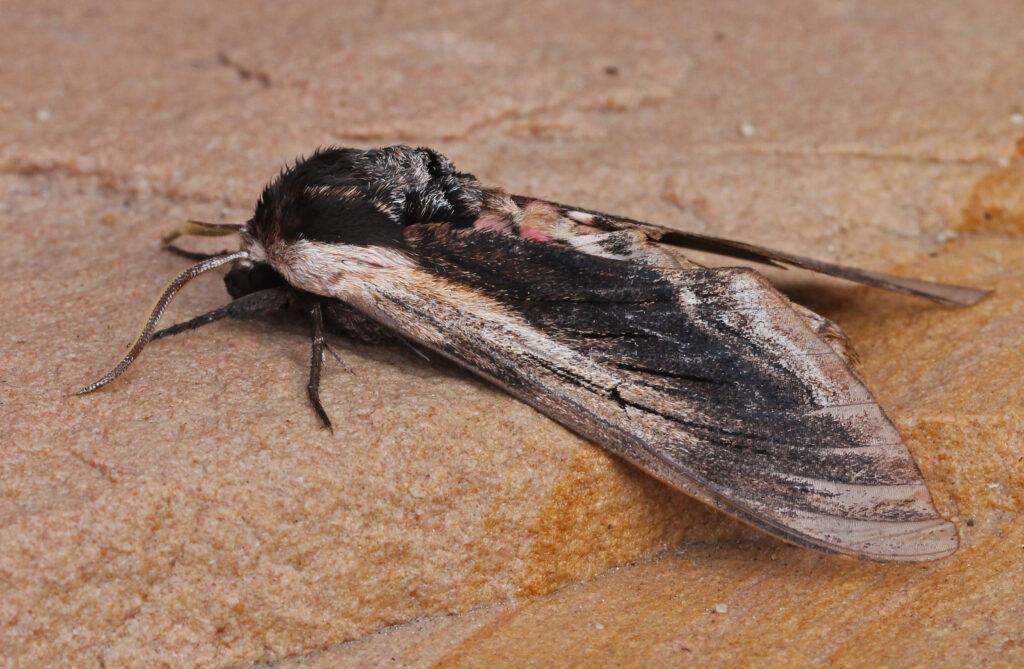
Privet Hawkmoth
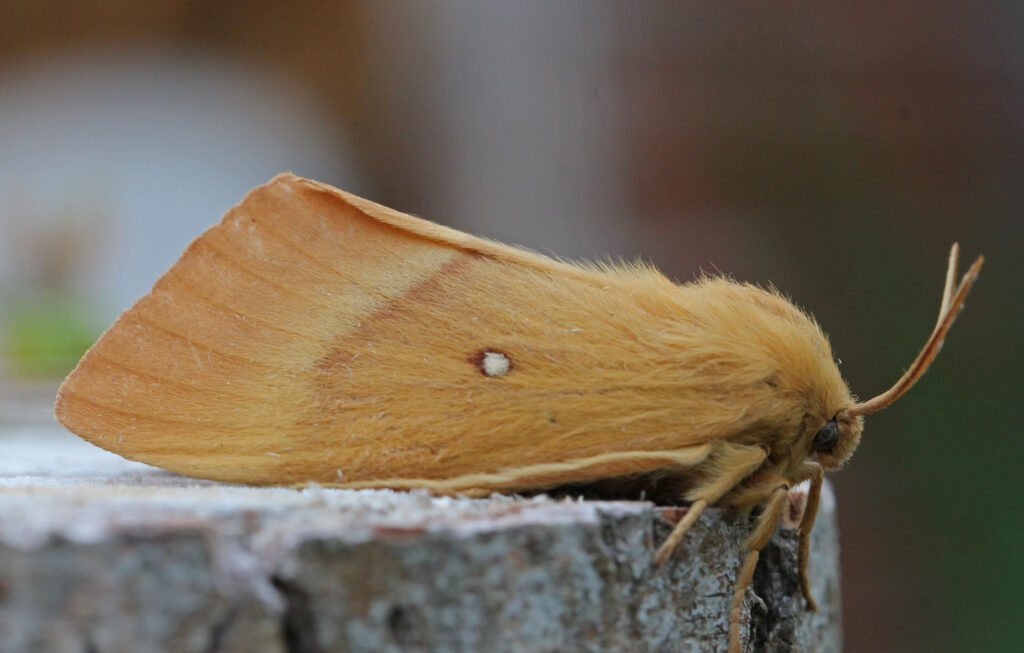
Oak Eggar
Also extraordinary cryptic species like Buff-tip, Flame, Pale Prominent and Early Thorn that mimic twigs, bark and leaves when resting.
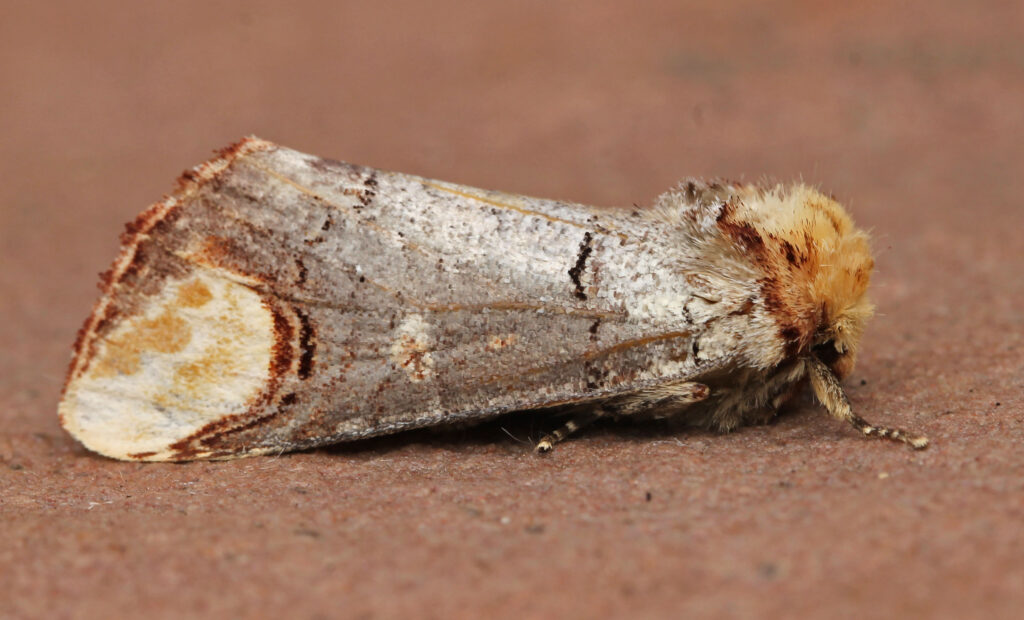
Buff-tip
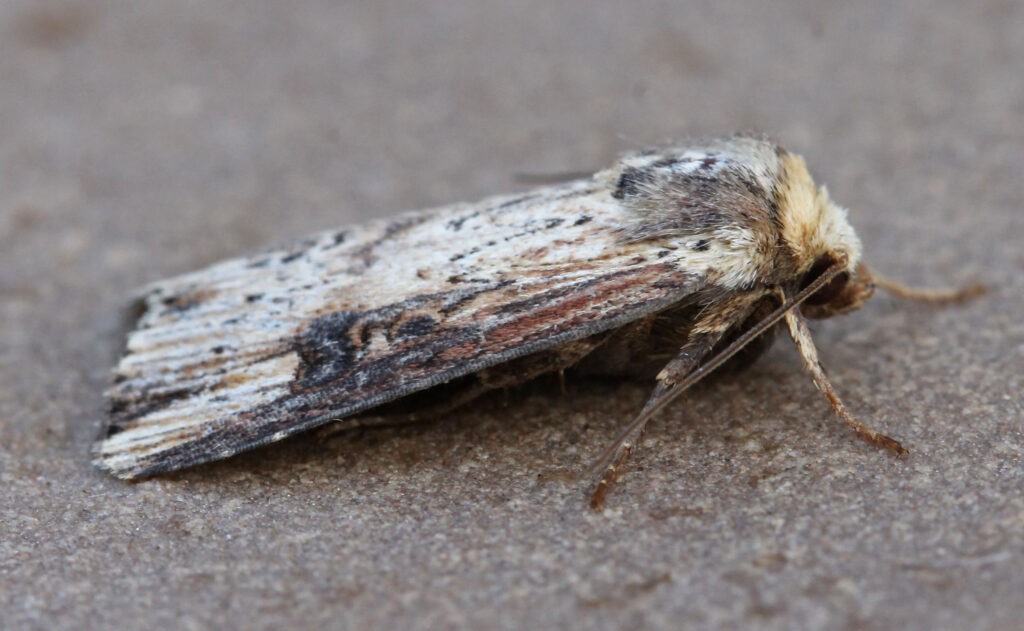
Flame
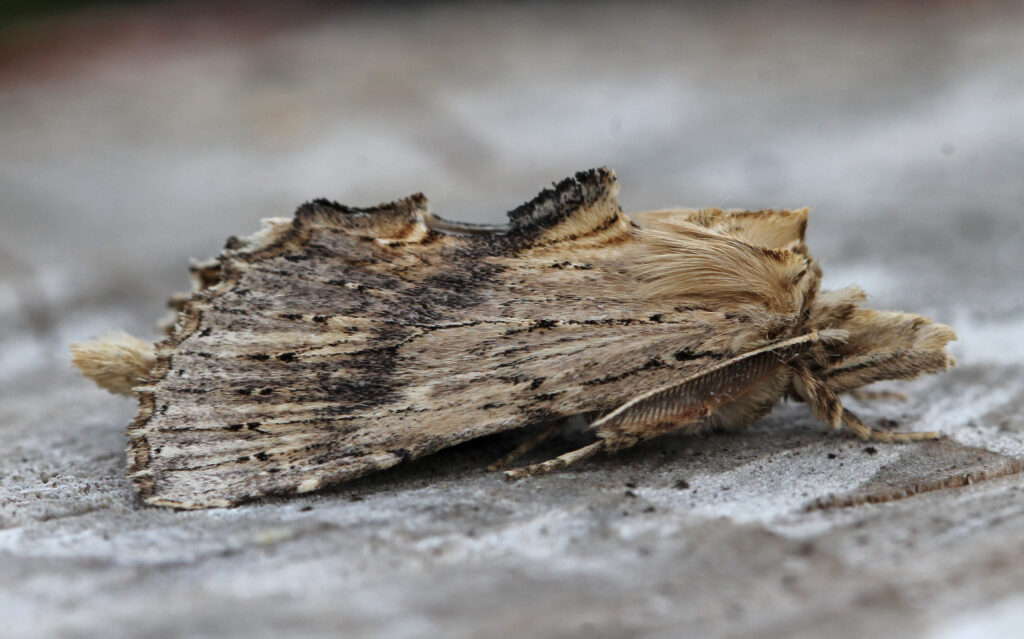
Pale Prominent
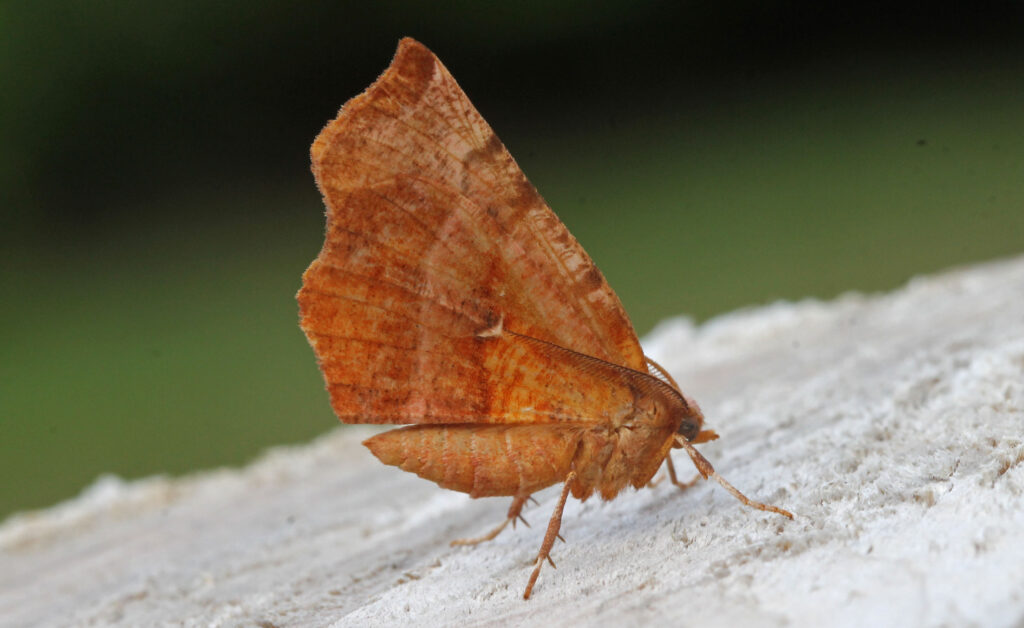
Early Thorn
and beautiful colourful moths like Scarlet Tiger and Maiden’s Blush.
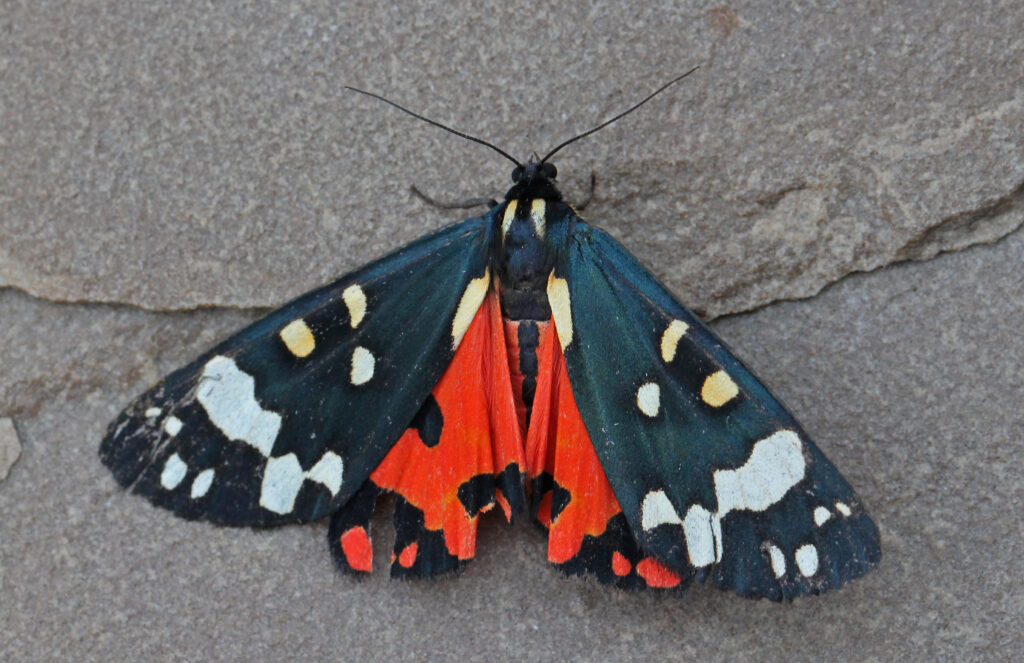
Scarlet Tiger
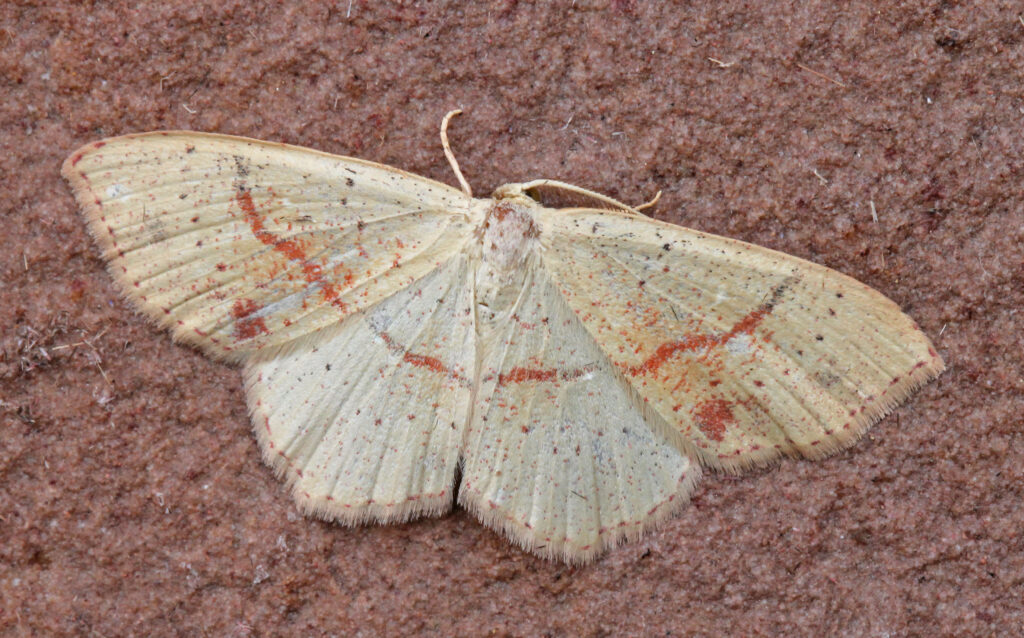
Maiden’s Blush
For diversity, also attached are pics of the intricately patterned Dusky Sallow, Black Arches, White-foot Moth and Orange Pine Tortrix as well as the elegance of the White Satin and the feathery appearance of the White Plume.
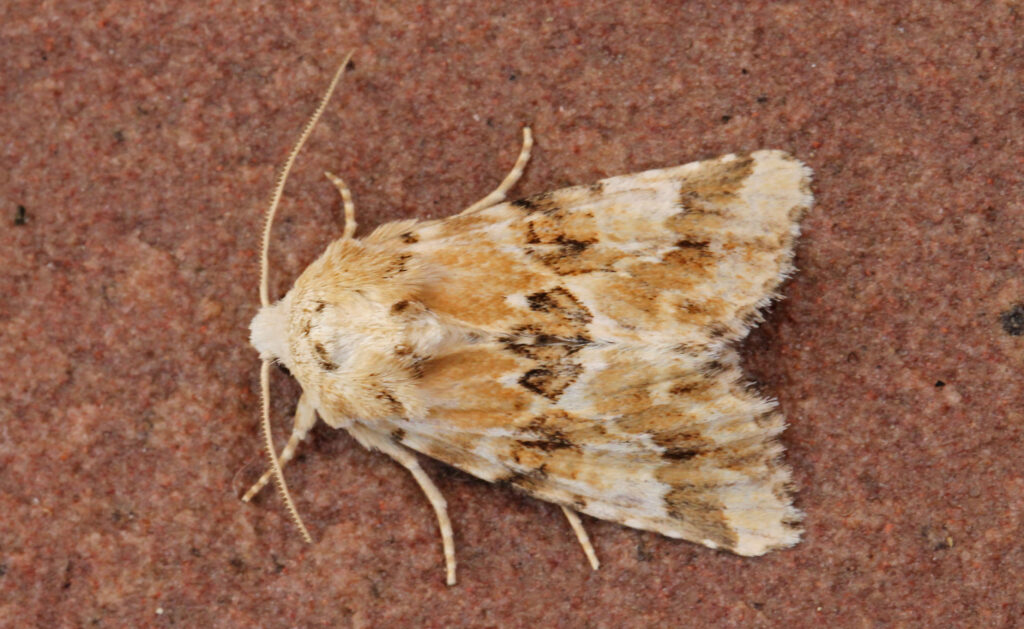
Dusky Sallow
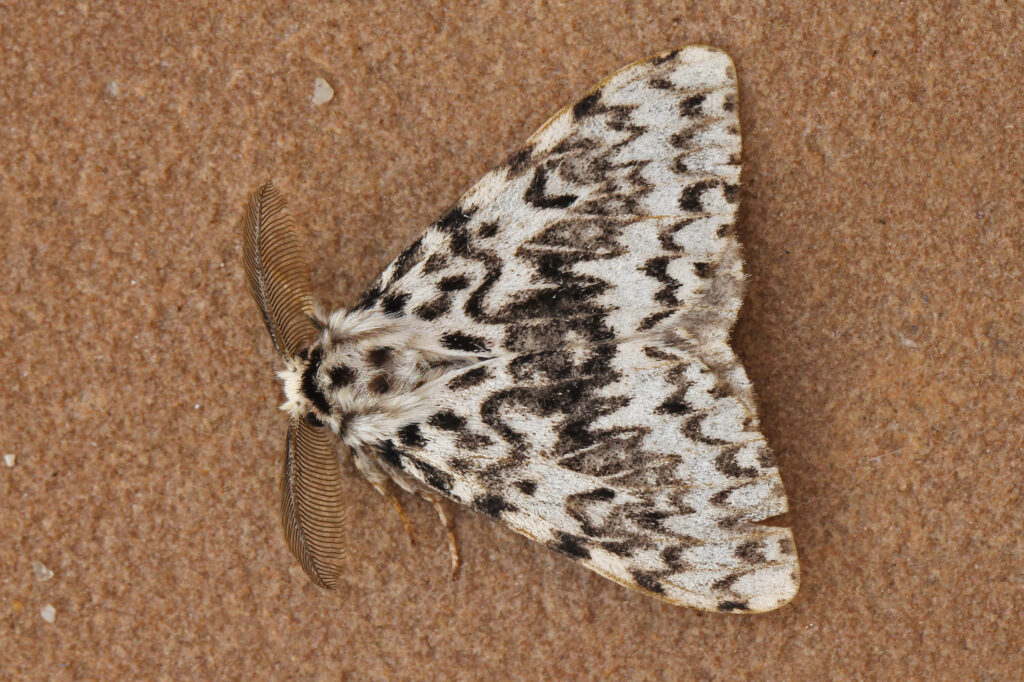
Black Arches
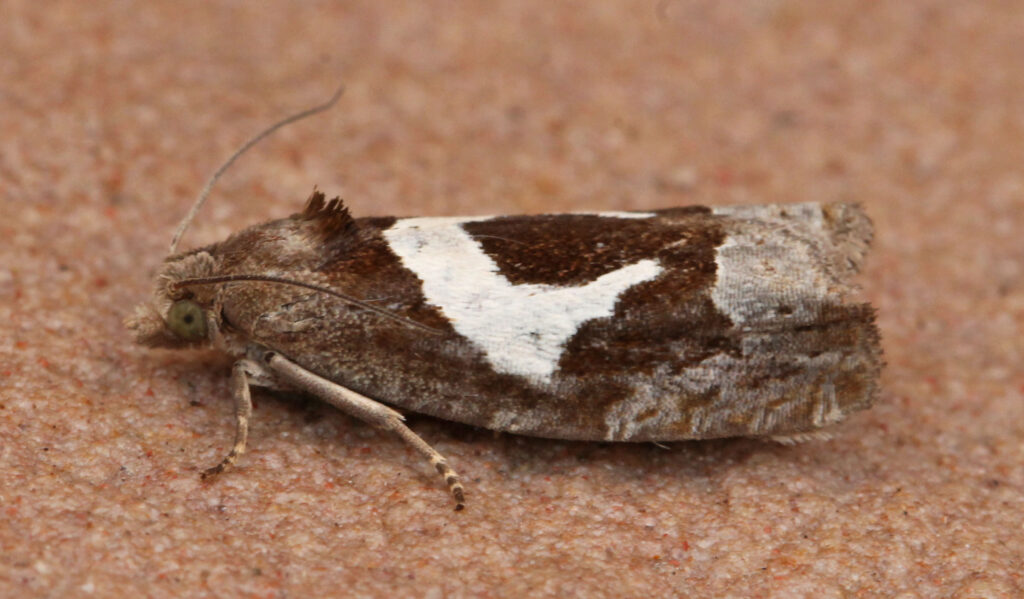
White-foot Moth
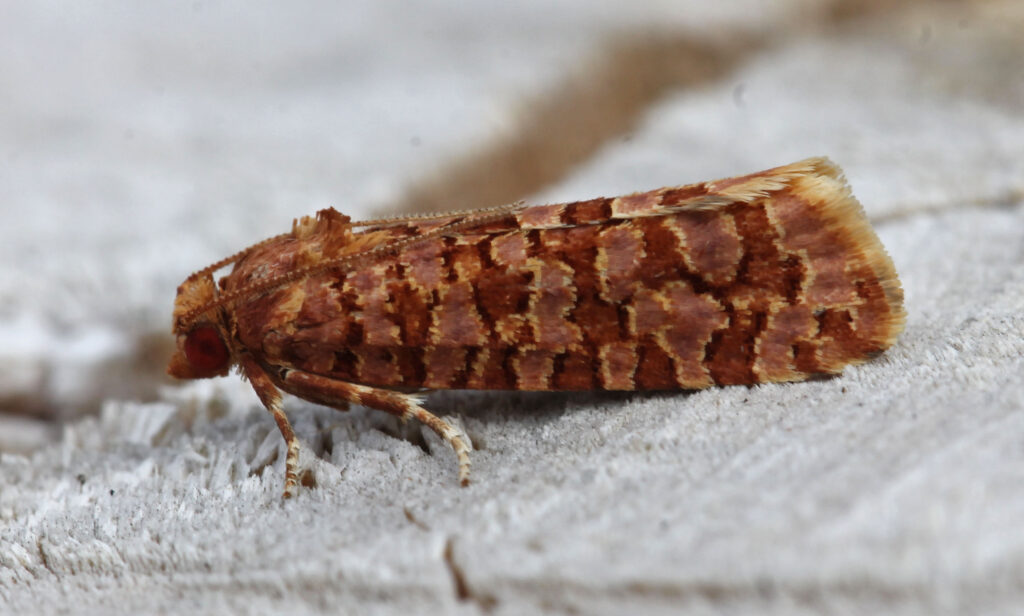
Orange Pine Tortrix
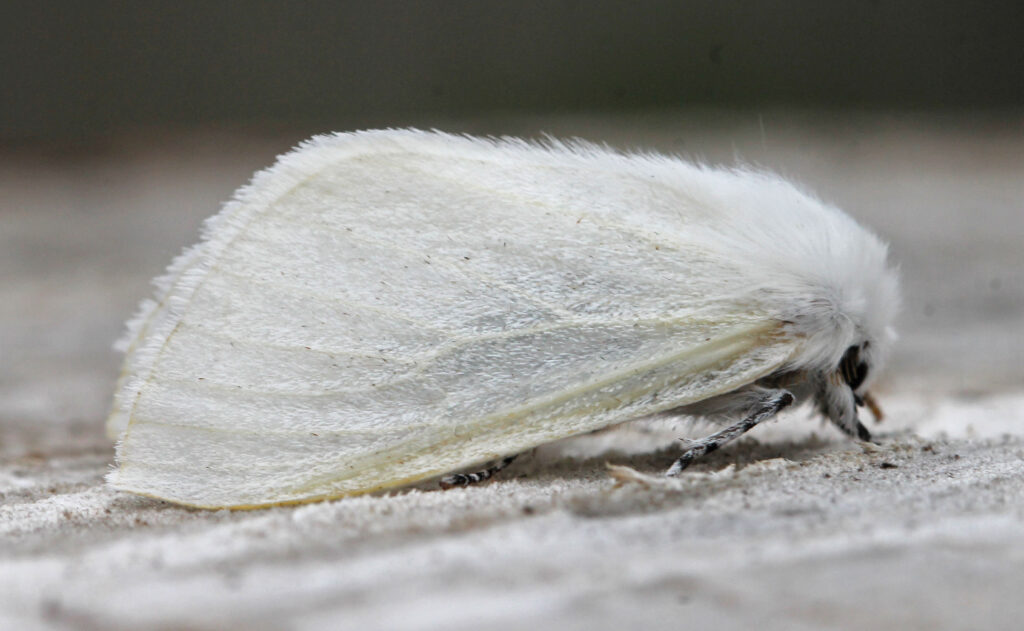
White Satin
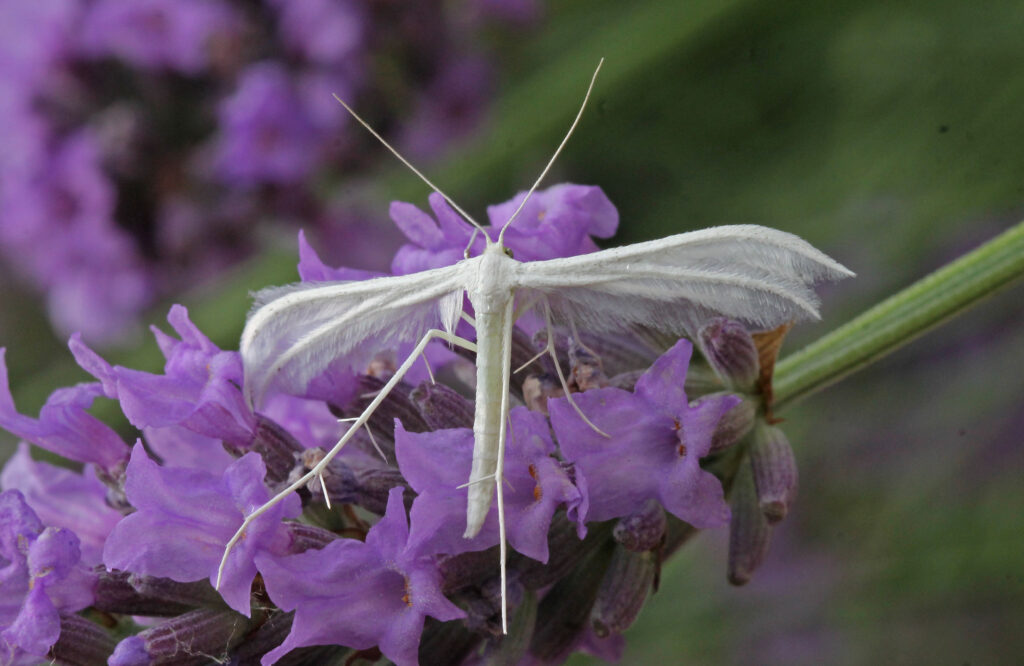
White Plume
Of course, the key to understanding and recording more biodiversity is increasingly concentrating on the tiny stuff like the Canary Grass-miner with a wingspan of a centimetre.
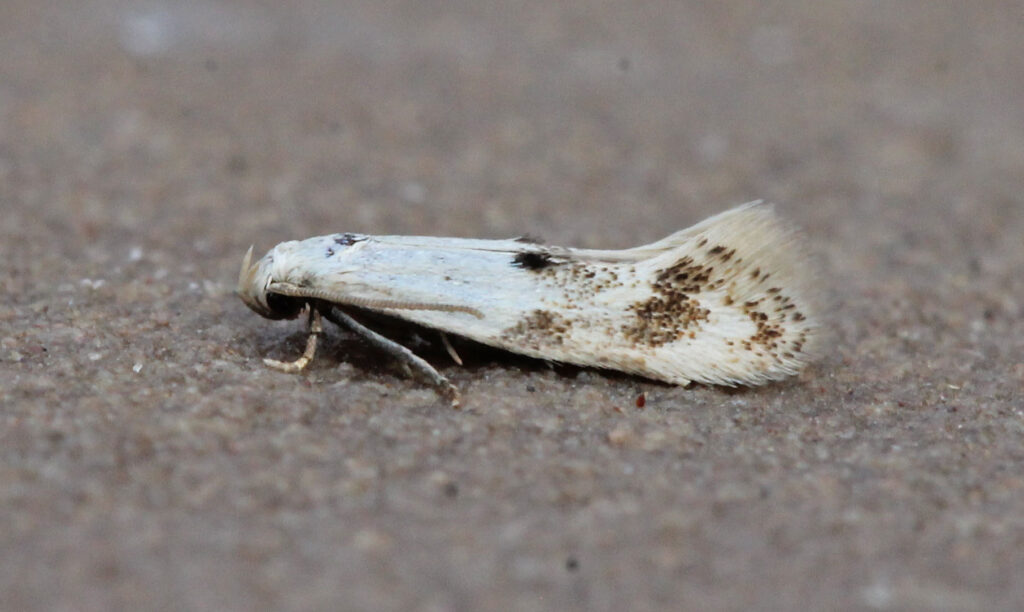
Canary-grass Miner
Other wildlife is recorded at light traps. Where I have undertaken surveys at other sites (on a volunteer basis), I have teamed with other people to identify similar numbers of other non-moth species attracted. Time did not allow this approach on this occasion but I did take a photo of this impressive Dor Beetle. One of a number that came to light.
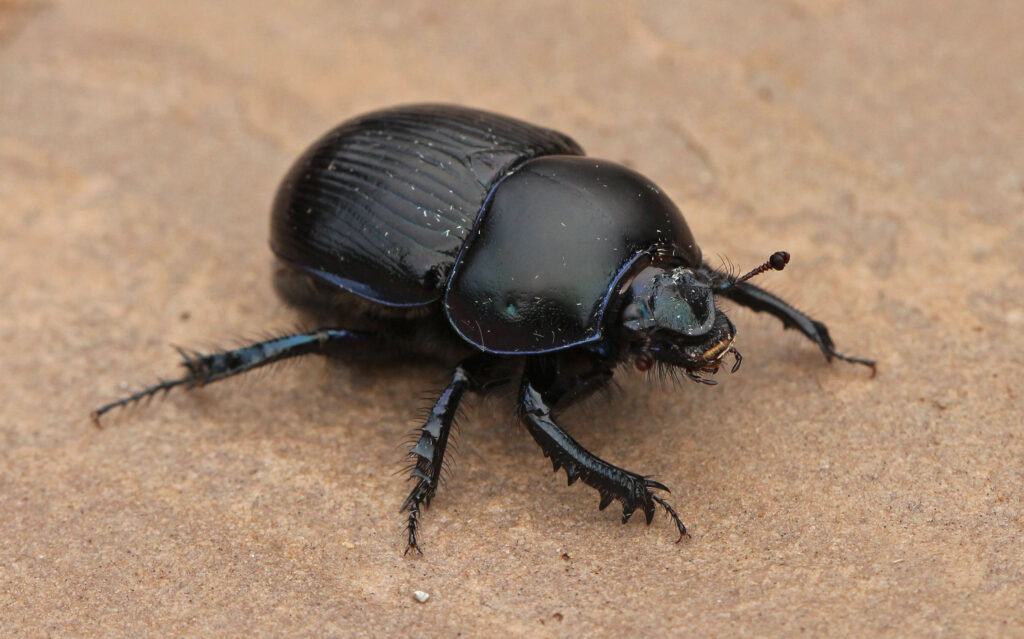
Dor Beetle
A full listing of the survey can be downloaded here including species, common names and foodplants: